

Article: How to Look Expensive Without Spending a Fortune
How to Look Expensive Without Spending a Fortune
Written by Eleven Loves
An outfit looks expensive because of a handful of small details: the fabric, the colour, how something fits, how it is put together and how it is looked after. None of them needs a designer budget, and we have all been slightly sold the idea that looking expensive is about the designer handbag, the logo, the 100% cashmere jumper or the silk shirt.
Our founder, Hayley Thomas, talks through each of these details in her film on looking expensive, starting from a simple observation: “the women who look the most expensive to me are rarely the women wearing the most expensive clothes.”
Fabric comes first
Fabric is often the first thing you notice about an outfit, which makes it the best place to start. Natural fibres such as wool, cashmere and cotton are ideal, although a good satin can look really expensive too, even when it is not silk.
Some cheaper synthetics have a distinctive shine that catches the light in a slightly plasticky way, and once you start to notice it, it is hard to stop. Light falls differently on a good cotton, wool, linen or silk, so you see the texture and the drape, and that can make quite an inexpensive piece look a lot more expensive.
It is not worth getting too hung up on percentages, though. A little elastane in denim helps jeans recover their shape, viscose can drape beautifully and feel quite silky, and a blend can give you exactly what you want without the price of a purely luxury fibre. The Alex Cashmere Blend Jumper is a good example, a wool jumper with 10% cashmere that still has the softness around the neck and wrists, and the feel and drape, without being 100% cashmere. Nobody is going to stop you in the street to ask what percentage of cashmere your jumper contains.

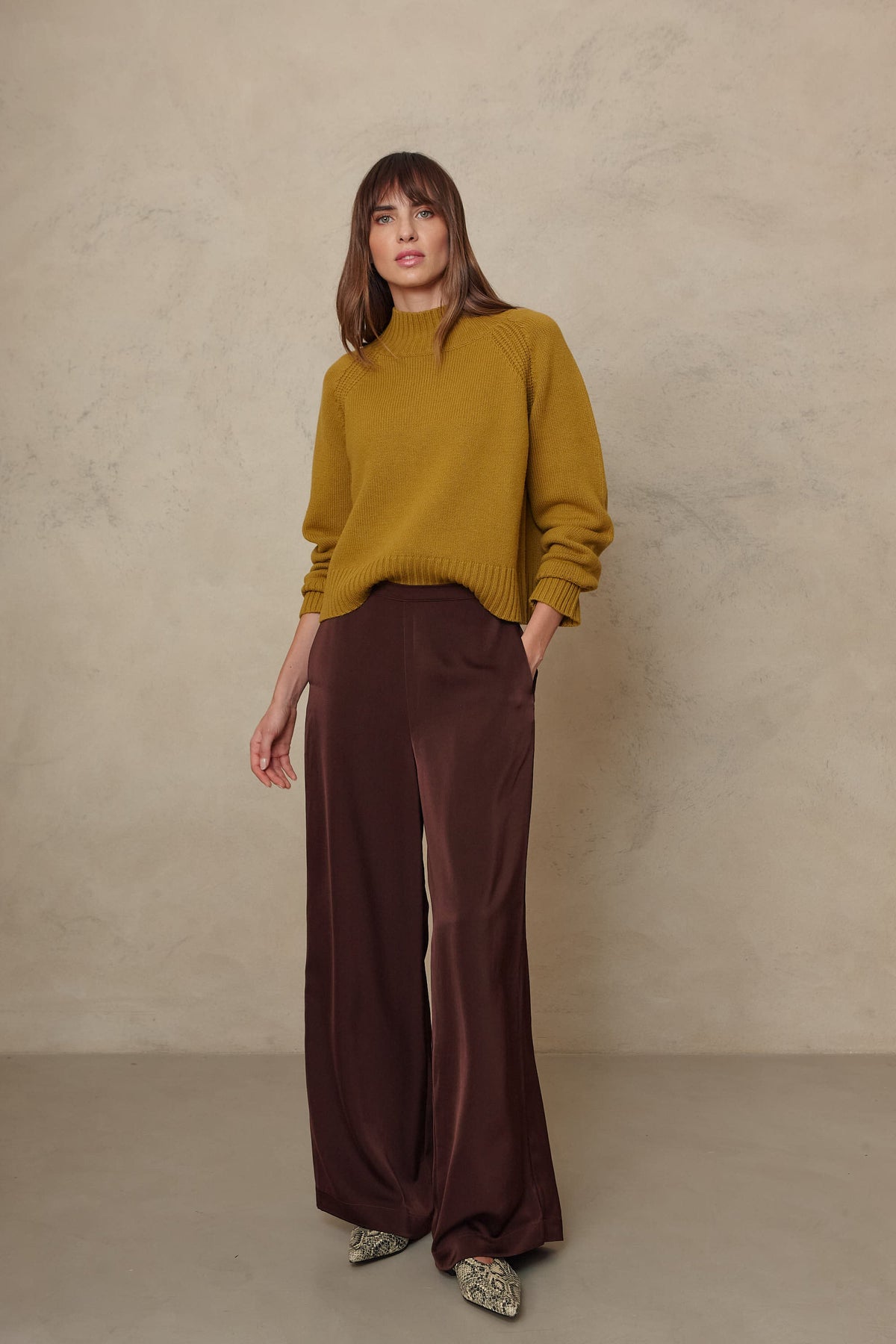
Satin works the same way, since silk has a beautiful movement and a soft lustre, but a good satin can give a very similar look. The one to look for is fairly matt, with a little weight but not too much, because a very thin satin tends to cling and crease, and a shiny one can start to look cheaper. The Hazel Wide Leg Satin Trousers are a good example: they are not silk, but their weight, their finish and the way they move and hang make them look expensive.
How colour makes an outfit look expensive
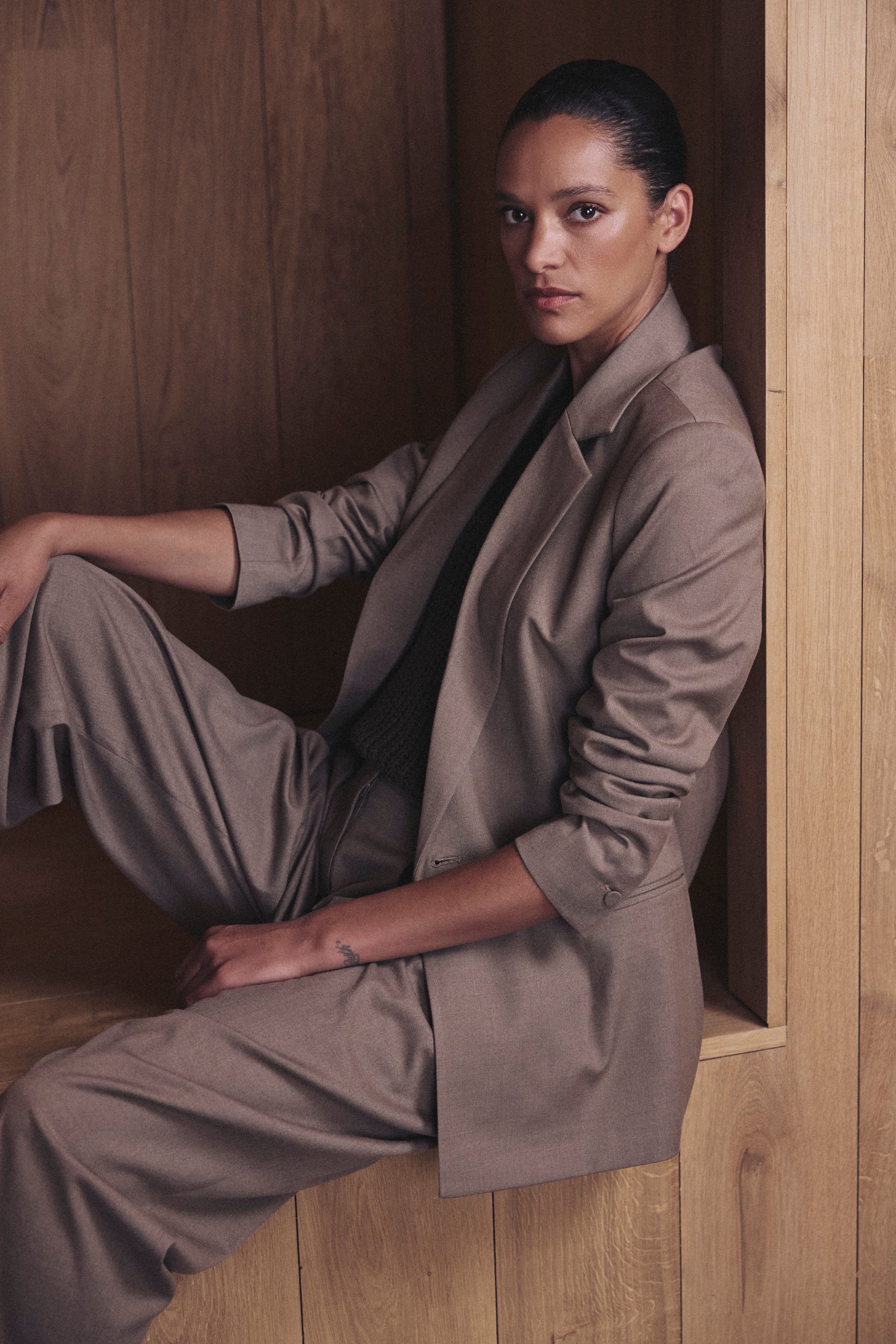
Colour is the second detail, and neutrals are the obvious starting point. The coat you would invest in and expect to keep for ten years is most likely camel, navy, black, grey or chocolate, colours we associate with beautiful investment pieces because they do not date. Navy may well be the favourite of these, as our customers often tell us it is slightly softer on the skin. A purple coat bought because purple is on trend this season, on the other hand, may not be worn in a few years’ time.
The most expensive designers tend to prioritise neutral pieces for the same reason, because they are the pieces that last. Quality shows in the texture of a knit, the drape of a trouser and the cut of a coat.
You can still wear colour and look expensive, and slightly deeper shades such as burgundy, chocolate, forest green and a deep navy make it particularly easy. If a cobalt or a bright red is completely your thing, it is worth keeping the rest of the outfit a little quieter so the colour stands out on its own.
Why a tonal outfit looks expensive
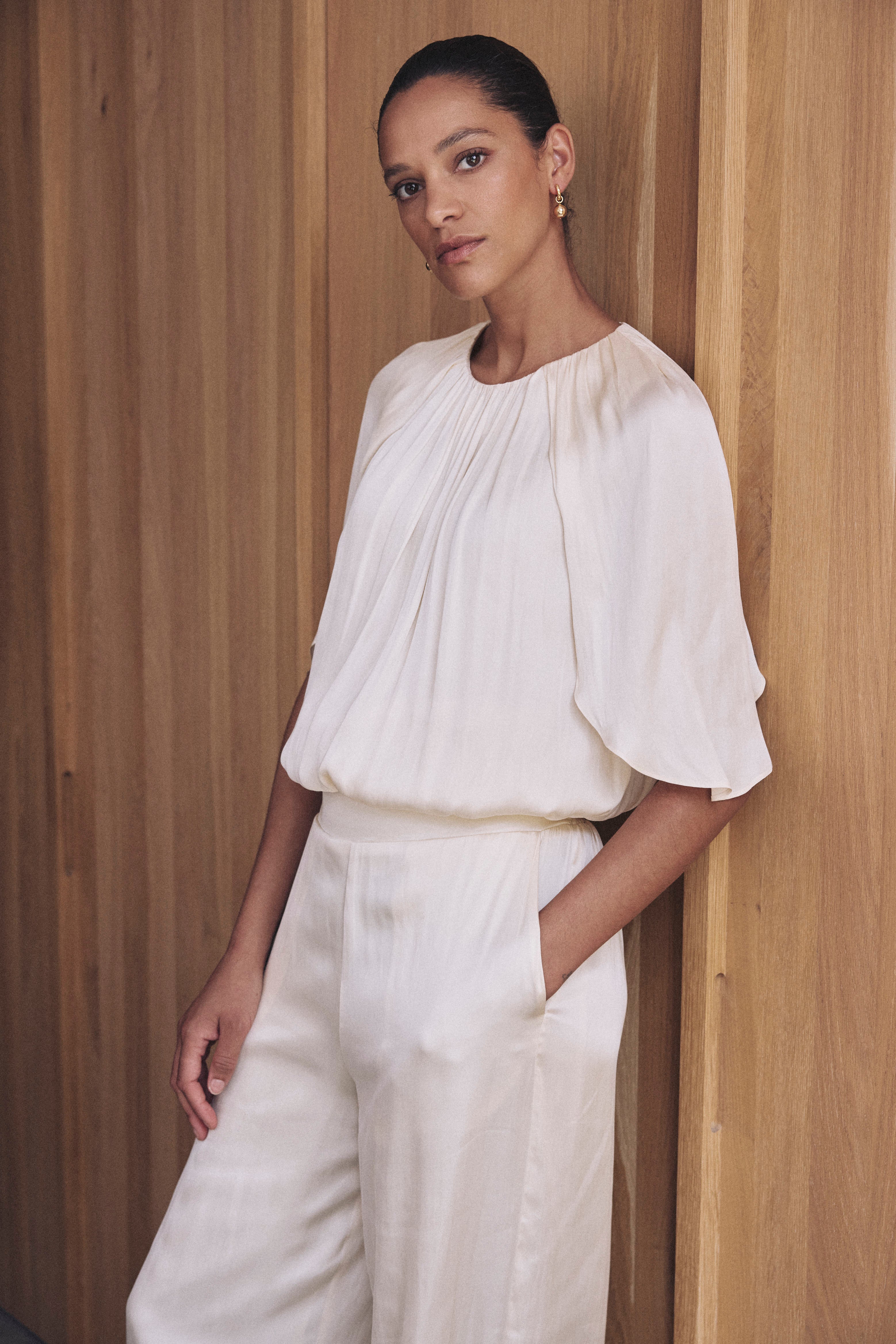
Dressing in one colour, or in very similar tones, from head to toe is a simple way to make an outfit look more expensive without buying anything new. A tonal outfit feels calm, put together and poised, because the eye is not jumping from one thing to another, so it reads as a complete look and immediately feels more considered.
Texture is what stops a tonal outfit looking boring. The softness of a knit with a smoother trouser in the same colour family works well, as in the head to toe winter whites Hayley wears in the film. It may not be an outfit for cleaning the house in, but for a coffee out it can feel expensive, polished and a little bit glamorous.
The idea works with clothes you already own too, such as a navy jumper with navy trousers, or cream knitwear with ecru. A perfect colour match is not needed, and slightly different tones can look more interesting.

How to make jeans and joggers look expensive
Looking expensive does not mean everyone has to wear a camel coat, winter whites or tailored trousers, because most of us do not dress like that every day. Jeans, jersey and trainers can look just as considered.
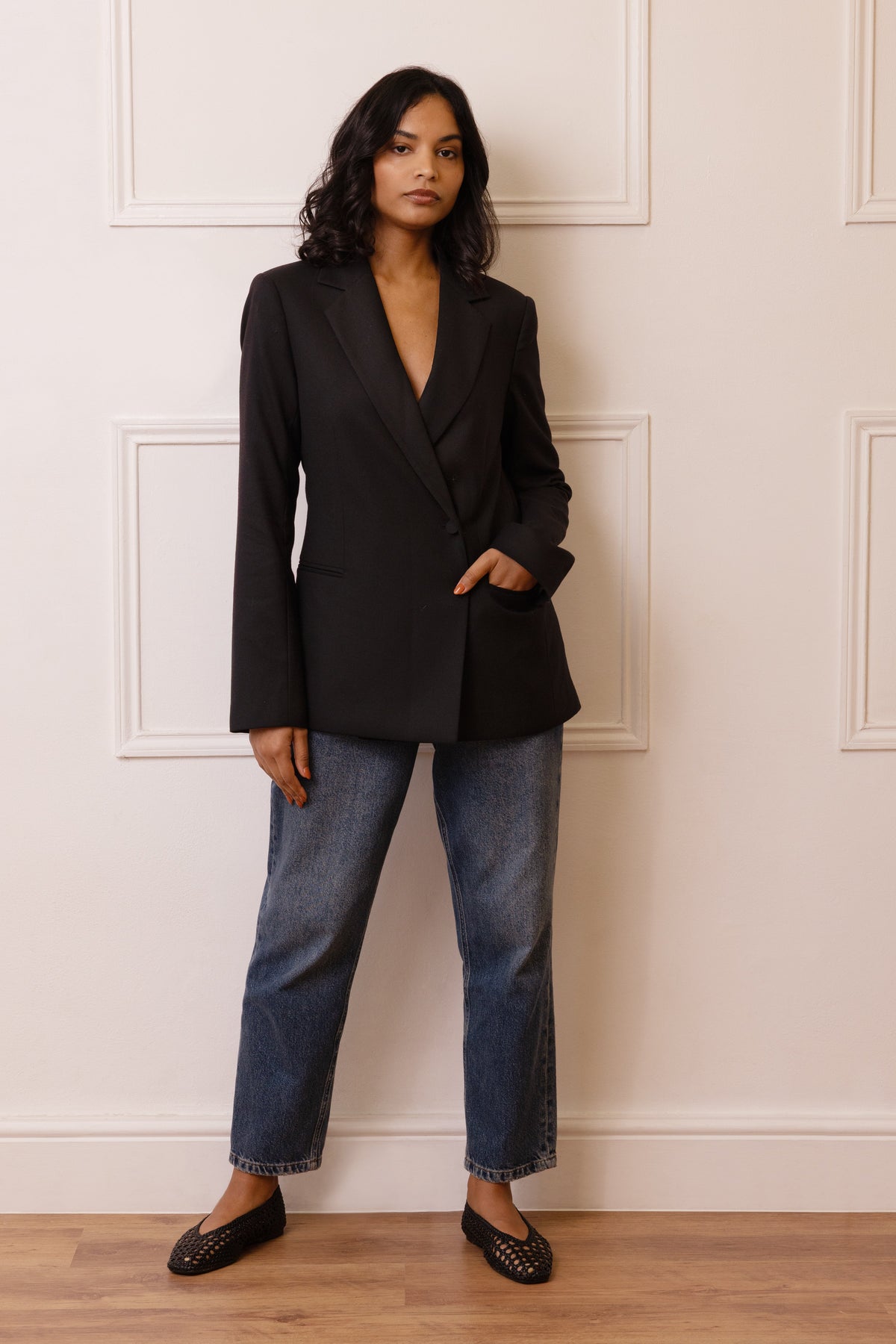
With denim, it is worth looking at the wash. A clean, dark rinse wash tends to look dressier, because from a distance it almost reads as a trouser, while more fading, distressing and whiskering makes a jean more casual. Neither is better, as the two do different jobs, but a darker, cleaner wash suits an outfit that should feel more polished, and the Frankie Wide Leg Jeans in rinse wash are a good example.

The same principle works with jersey. A sweatshirt with matching joggers looks completely different from two unrelated pieces of loungewear, and our Perfect Crew Neck Sweatshirt and Perfect Side Stripe Joggers in black make an easy matching pair. Details help too, and on the joggers the satin stripe breaks up the jersey and makes the whole outfit feel more designed. If your Saturday uniform is joggers and trainers, there is no need to change it, only to make that version feel pulled together.

Why fewer accessories can look more expensive
There is something in the old advice about looking in the mirror before you leave the house and taking one thing off. Minimal jewellery is not automatically better, but if everything is trying to be the focal point, nothing really is. Big earrings, a big necklace, bracelets, rings and an embellished bag all at once leave the eye unsure where to land. When an outfit is not quite working, taking one thing away is worth trying before adding anything else.
If the outfit then feels a little plain, the answer might be to show a little of the layer underneath, which adds the interest back without feeling too much. A white T Shirt just showing beneath a knit, a shirt cuff folded back over the sleeve of a jumper or a little of a vest at the neckline all work well. Those tiny bits of layering can make an outfit feel quite intentional.
Every outfit needs one sharp thing to make it feel polished, and a collar and cuff showing under a jumper can be exactly that, because the collar makes the knit feel a little more formal.

What to check in the changing room
A quick stretch test in the changing room says a lot about how a piece will wear. If a fabric contains stretch, gently pull the cuff, the waistband or the knee of a pair of jeans and let it go. If it springs back into place, it is good, but if it sits there looking baggy, it will probably look like that after you have worn it for a couple of hours.
The buttons are worth checking too, because they are one of those tiny details that change how a piece feels. Then comes the fit, since cheaper clothing is sometimes cut with less fabric, so you see pulling across the bust, buttons starting to gape, or not quite enough room across the back. Whatever the label says, pulling or gaping makes clothes look inexpensive.
How to make the clothes you own look more expensive
Looking after what you already own may make the biggest difference of all, and it needs no shopping. Jumpers are better folded than hung, because on a hanger the whole weight pulls down from two small points on the shoulder, which leaves little hanger bumps and a jumper that has mysteriously grown in length. Folding knitwear in a drawer avoids both, and if drawer space is short, folding a jumper over a hanger works better than hanging it from the shoulders. Folding and storing knitwear is covered in more detail in our guide to washing cashmere.
Bobbling is the next thing to deal with. Every jumper bobbles to some extent, from high street knitwear to expensive cashmere, because friction under the arms or beneath a bag works the fibres loose. A quick go with a de-bobbler at the start of the season makes a real difference.
Creases matter too, and a simple white T Shirt that is crisp and smooth can look far more polished than an expensive shirt that is badly creased. Cotton poplin creases because of what it is, and the trade-off for its beautiful crispness is that you may have to iron it. If you know you are not an ironer, a softer cotton shirt such as the Posy Ruffle Collar Shirt makes more sense. There is no point owning a crisp poplin shirt that lives at the bottom of the ironing basket.
Dark denim stays dark for longer if you wash it less, wash it inside out and cool, and avoid the tumble dryer where you can. Buying pieces that last matters too, because there is nothing more expensive than a piece you wear once and wash, only for it to fall apart, however little it cost.
In short, an expensive look comes from good fabric, considered or tonal colour, a fit with no pulling or gaping, one accessory fewer rather than one more, and clothes that are well looked after.
Frequently asked questions
How can I look expensive without spending a lot?
Small details matter more than price: a good fabric, neutral or deeper colours, one colour from head to toe, a fit with no pulling or gaping, fewer accessories at once, and clothes that are well looked after. None of them needs a designer budget.
What colours look the most expensive?
Neutrals such as camel, navy, black, grey and chocolate tend to look expensive because they do not date, and the chances are the coat you would invest in for ten years is one of them. If you want to wear colour, slightly deeper shades such as burgundy and forest green make it particularly easy to look expensive.
What fabrics look expensive?
Natural fibres such as wool, cashmere, cotton, linen and silk catch the light differently from cheaper synthetics, so their texture and drape show. A good satin can look expensive too if it is fairly matt with a little weight, and a blend such as a wool and cashmere jumper gives the feel without the price of a pure luxury fibre.
How do you make jeans look expensive?
A darker, cleaner wash tends to look more polished than a jean with fading and distressing, since from a distance it reads almost like a trouser. Washing dark denim less often, inside out and on a cool wash, without the tumble dryer, helps it stay dark.
Does a tonal outfit look expensive?
A tonal outfit in one colour, or in very similar shades, looks more expensive with very little effort, because it reads as a complete look. Pairing different textures in the same colour family, such as a soft knit with a smoother trouser, stops it looking boring.
How do you stop jumpers looking cheap?
Folding knitwear rather than hanging it from the shoulders avoids hanger bumps and stretched lengths, and a de-bobbler at the start of the season removes the bobbling that every jumper gets, from high street knits to expensive cashmere.

Leave a comment
This site is protected by hCaptcha and the hCaptcha Privacy Policy and Terms of Service apply.