


What Is Viscose? Everything You Need to Know
Written by Eleven Loves
Viscose is a soft, breathable fabric made from wood pulp. It is known as a regenerated or semi-synthetic fibre because it starts life as a natural material, usually wood from trees such as beech, pine or eucalyptus, which is dissolved into pulp and spun into yarn. The result drapes like silk, breathes like cotton and costs considerably less than either, which is why viscose has become one of the most widely used fibres in womenswear.
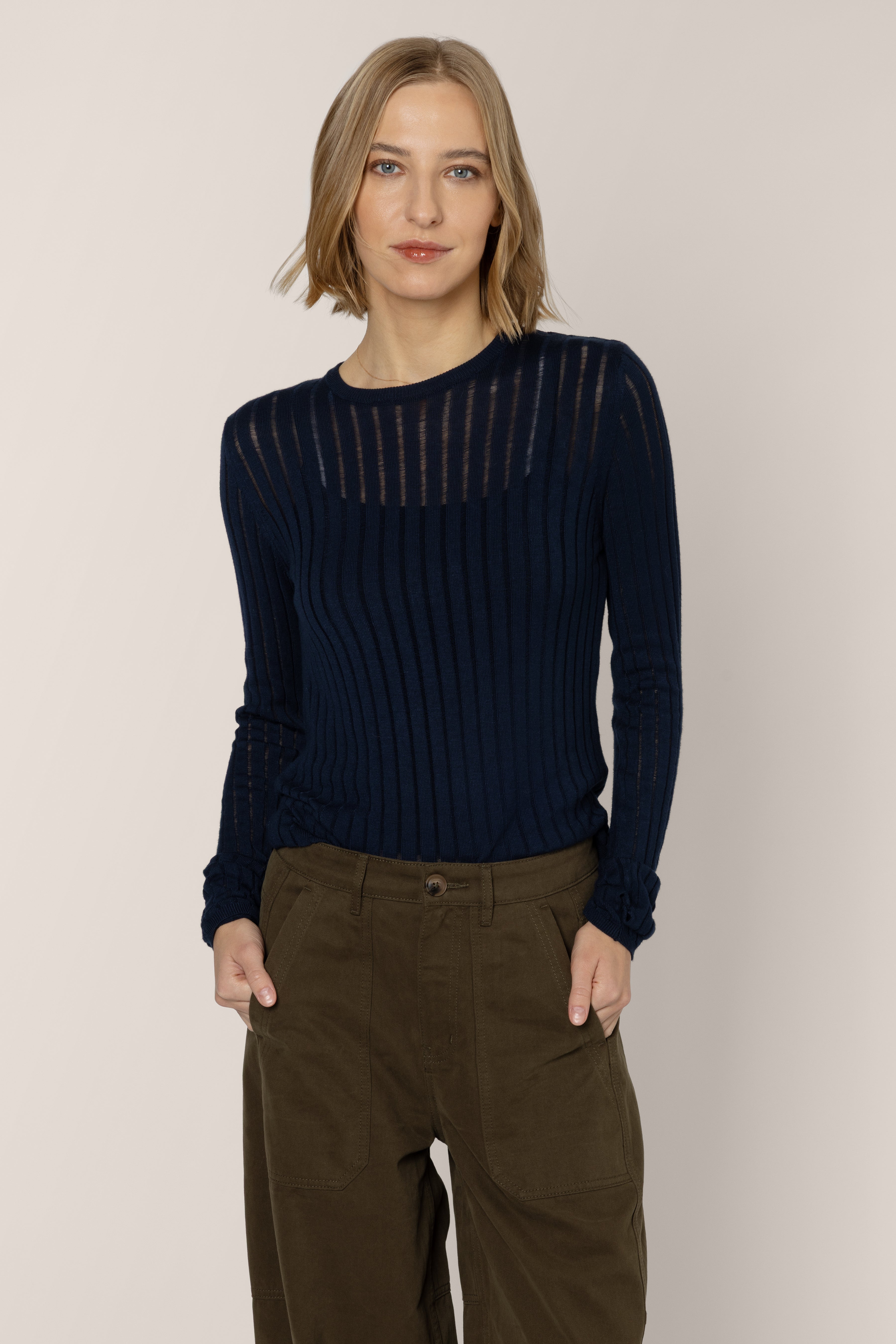
This guide answers the questions people ask most about viscose, from what it is made of to how it washes and how sustainable it really is. At Eleven Loves, viscose is the fibre behind the Iggy Sheer Rib Jumper, a fine sheer rib knitted from 96 percent Lenzing viscose, so the answers below come from working with the fabric season after season.
What is viscose made from?
Viscose is made from cellulose, the plant fibre found in wood. Wood chips, most often from fast growing species such as beech and eucalyptus, are broken down into pulp, dissolved into a thick honey-like liquid and pushed through fine spinnerets to form filaments. Those filaments are spun into yarn, then knitted or woven into fabric. The name comes from that viscous stage in the middle of the process.
Because viscose begins as a natural raw material but needs an industrial process to become a fibre, it sits in a category of its own, neither fully natural nor fully synthetic. That in-between status explains most of its character. It behaves far more like cotton or silk than like polyester, absorbing moisture, taking dye deeply and feeling cool and smooth against the skin.

Is viscose a natural fibre?
Not quite. Viscose is classed as a semi-synthetic or regenerated fibre. The raw material is entirely natural, but chemistry is needed to turn wood cellulose into something that can be spun, so textile classification places it between the natural fibres and the true synthetics.
In practice, the distinction matters less than it sounds. Viscose wears like a natural fibre. It is breathable, absorbent and biodegradable in the right conditions, which is why it is usually grouped with cotton, linen and silk in how it feels and behaves, rather than with polyester and nylon.
What is the difference between viscose and rayon?
Viscose and rayon are essentially the same thing. Rayon is the umbrella term, used mainly in the United States, for all fibres regenerated from cellulose. Viscose is the most common type of rayon, so a label that reads rayon in New York and one that reads viscose in London may describe an identical fabric.
The same family includes modal and lyocell, newer generations of regenerated cellulose made with updated processes. All of them share the signature qualities that make viscose so wearable: softness, fluid drape and breathability.
Is viscose breathable?
Yes, viscose is one of the most breathable fabrics available. The fibre absorbs moisture rather than repelling it, so it draws dampness away from the skin instead of trapping it the way synthetics can. It also releases heat easily, which keeps it comfortable in warm weather and stops it feeling clammy in a heated room in winter.
In a fine open knit, that breathability is amplified. The Iggy's sheer rib lets air move through both the fibre and the structure of the fabric itself, which is why a sheer viscose jumper never feels stifling worn under a blazer or jacket.

Is viscose stretchy?
Viscose fibre itself has very little natural stretch. Any give in a viscose garment comes from how it is constructed rather than from the fibre. A woven viscose dress will have almost no stretch at all, while a knitted viscose piece can have plenty, because the loops of the knit flex and recover.
The Iggy is a good example. Its fine rib knit creates natural elasticity, so the jumper moves with the body and springs back into shape even though the fibre is stable. A small amount of polyester, 4 percent in the Iggy, adds strength and helps the knit hold its shape through repeated wear.
Does viscose shrink?
Viscose can shrink if it is washed hot or tumble dried, because heat and agitation tighten the regenerated fibres. It is also weaker when wet than when dry, so rough machine washing does more damage than everyday wear ever will.
Keeping viscose in shape is straightforward. Wash it cool on a delicate cycle or by hand, skip the tumble dryer entirely, and dry flat or hang carefully away from direct heat. A cool iron on the reverse smooths any creasing. Treated this way, viscose holds its drape and colour for years, which is exactly the kind of longevity a buy less, wear more wardrobe depends on.

Is viscose sustainable?
It depends entirely on how it is made. Viscose starts from a renewable raw material, wood, and it biodegrades far more readily than synthetic fibres. The environmental questions sit in the middle of the process: where the wood is sourced and how responsibly the chemicals used in production are managed and recovered.
This is where the producer matters more than the fibre name on the label. Lenzing, the Austrian fibre maker behind the certified lower-impact Ecovero viscose, sources wood from controlled and certified forests and runs production with significantly lower emissions and water use than conventional viscose. The Iggy is knitted from 96 percent Lenzing viscose and made in Bulgaria, keeping production within Europe and the supply chain short. Choosing traceable fibre from a responsible producer is the difference between viscose as a problem and viscose as one of the better choices available.
What does viscose feel like to wear?
Smooth, cool and fluid. Viscose has a gentle weight that makes it hang beautifully rather than sit stiffly, and it takes dye so deeply that colours look rich rather than flat. In knitwear it behaves differently from wool, feeling lighter and sleeker against the skin with no itch at all, which makes it a natural choice for layering.
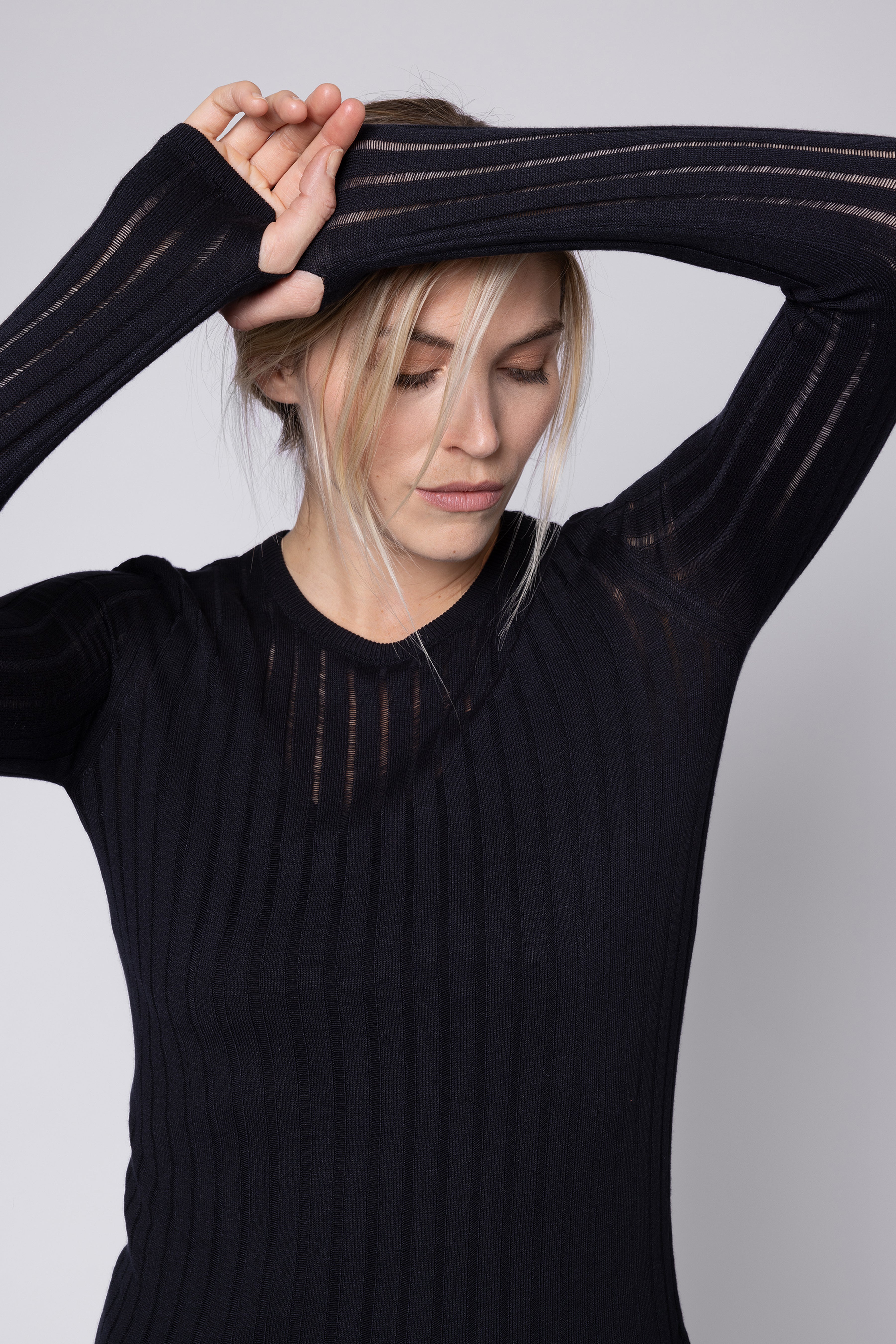
The Iggy Sheer Rib Jumper shows the fibre at its best: a fine sheer rib with a ladder stitch that elevates the style without really revealing anything, finished with thumbholes for colder days. Customers consistently describe it as a warm layering piece that works far beyond one season. For a comparison with animal fibres, the guide to what cashmere is covers the other side of the knitwear wardrobe.
Viscose FAQs
Is viscose breathable?
Yes. Viscose absorbs moisture and releases heat easily, so it stays comfortable against the skin in warm weather and under layers. It is one of the most breathable fibres used in knitwear.
Is viscose stretchy?
The fibre itself has very little stretch, so it depends on the construction. Woven viscose barely stretches, while knitted viscose, such as a fine rib, has plenty of natural give and recovers well.
Is viscose a natural fibre?
Viscose is semi-synthetic. It is regenerated from natural wood cellulose through an industrial process, so it sits between natural and synthetic fibres, but it wears and breathes like a natural one.
Does viscose shrink?
It can shrink in hot washes or a tumble dryer. Washed cool on a delicate cycle and dried flat away from direct heat, viscose keeps its size, drape and colour for years.
Is viscose sustainable?
It depends on the producer. Viscose from certified sources such as Lenzing, made with controlled wood supply and lower-impact processing, is one of the more responsible fibre choices. Untraceable viscose is much harder to vouch for.
What is the difference between viscose and rayon?
They are effectively the same fabric. Rayon is the broader term used mainly in the United States, and viscose is the most common type of rayon, named after the viscous liquid formed during production.

Leave a comment
This site is protected by hCaptcha and the hCaptcha Privacy Policy and Terms of Service apply.