

Styling Tips To Elevate Your Everyday Wardrobe
Written by Hayley Thomas
There is a real difference between simply getting dressed and truly styling an outfit. You may own beautiful capsule wardrobe pieces, yet still find that some looks feel unfinished or lacking that final sense of polish. This is rarely about the clothes themselves. It is usually about the small adjustments that give a look polish and intention. By mastering a few professional styling tips, you can transform a simple T Shirt and jeans combination into a considered outfit that feels modern and confident. These styling tips help you shop your own wardrobe, add fresh perspective to familiar pieces, and make everyday dressing feel more considered.
Explore our capsule wardrobe collection for versatile pieces that make everyday styling feel easier.

Styling versus wearing explained
The difference between styling and simply wearing your clothes is often what makes an outfit feel finished. Wearing is the functional act of putting on a top and trousers to cover your body. Styling is the art of adjusting those pieces to create a specific silhouette or mood.
It involves playing with proportion, texture, and accessories to ensure the outfit feels cohesive. When you style a look, you are taking control of how the fabric sits against your body and how the eye travels across the outfit. It turns a functional garment into a personal statement. This approach also encourages a more sustainable relationship with fashion. By reimagining how you wear your existing items, you extend their lifespan and reduce the urge to constantly buy new things. It is also a more thoughtful way to dress. Reworking what you already own helps extend the life of your wardrobe and encourages a more sustainable relationship with fashion.
The art of the tuck
One of the most effective ways to define your shape is by mastering the tuck. Leaving a shirt completely loose can sometimes overwhelm your frame or look unintentional. Tucking creates a waistline and manages the volume of the fabric.
How to master the French tuck shirt
The French tuck, or front tuck, is ideal for knitwear and heavier fabrics where a full tuck can feel too bulky. It adds shape without looking too try-hard and works especially well when you want an outfit to feel relaxed but still pulled together.

- Button your shirt down to the waist or slightly lower.
- Take the front section of the hem and tuck it into your waistband, slightly off centre.
- Blouse the fabric out gently so it does not sit too tightly against the stomach area.
- Leave the back of the shirt hanging loose to create a soft and relaxed high low hemline.
This technique works beautifully with crisp cotton styles from our shirts and blouses collection or a relaxed knit. It offers the structure of a tucked top with the ease of a loose layer. For a cleaner look with side split shirts, try a half tuck where you tuck just the front panel underneath the button placket and leave the other side loose.

How to roll sleeves for instant polish
Showing the wrist is a subtle way to add structure to a relaxed outfit. It breaks up the block of fabric on your arm and highlights your jewellery. However, a sleeve that constantly unrolls is frustrating.
To keep a shirt sleeve in place, unbutton the cuff and fold the fabric back once so it reaches just above your elbow. Then, take the bottom of the folded section and roll it up again to trap the cuff. This creates a secure roll that stays put all day.
The hair tie trick for blazers
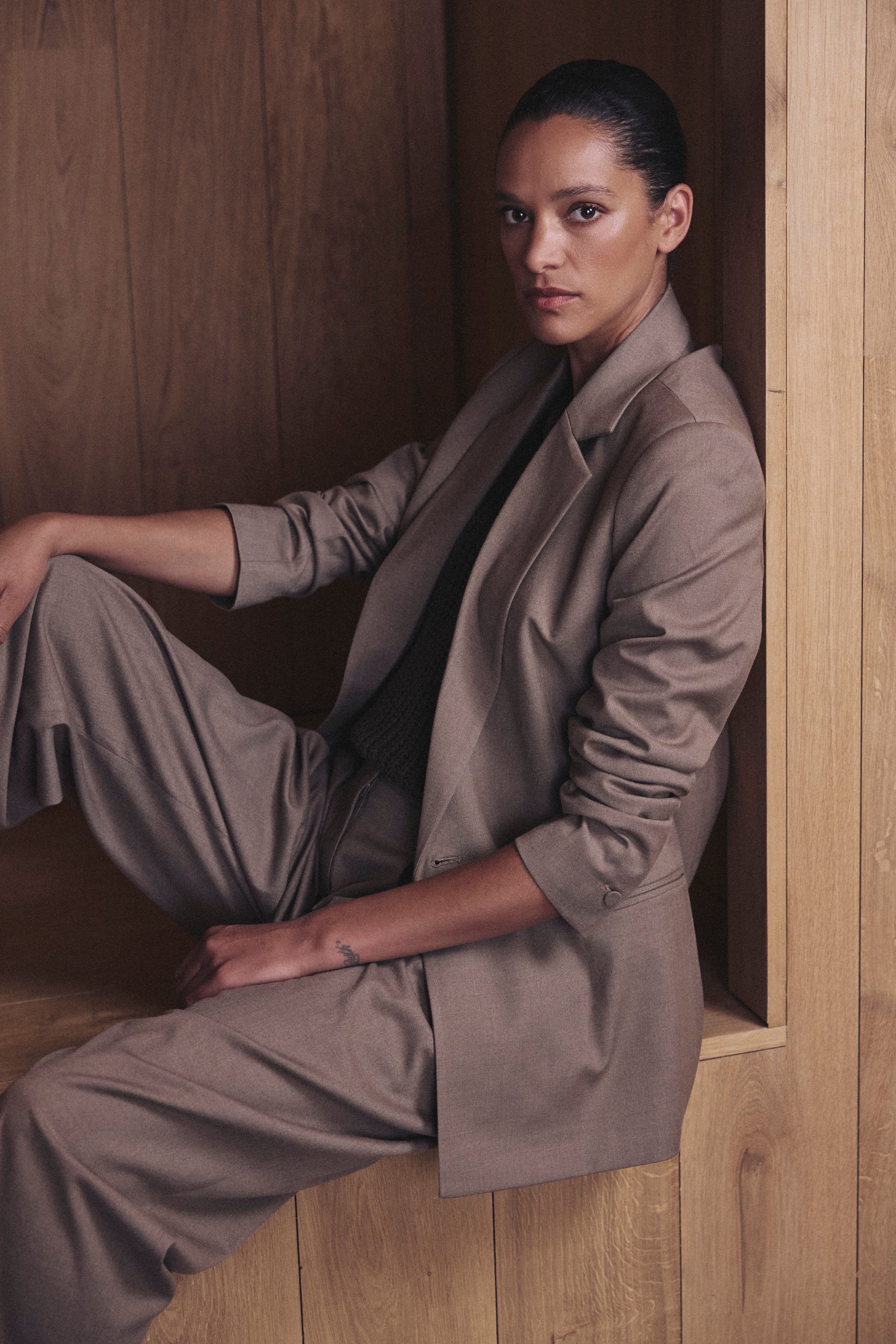
Ruched blazer sleeves can instantly make tailoring feel more relaxed, but they rarely stay in place on their own. Place a fabric covered hair tie or elastic band over the sleeve around the mid forearm. Pull the sleeve up to your desired length, allowing the fabric to bunch over the elastic to conceal it. This adds a casual and lived in feel to sharp tailoring from our blazers and jackets range.
The power of a belt
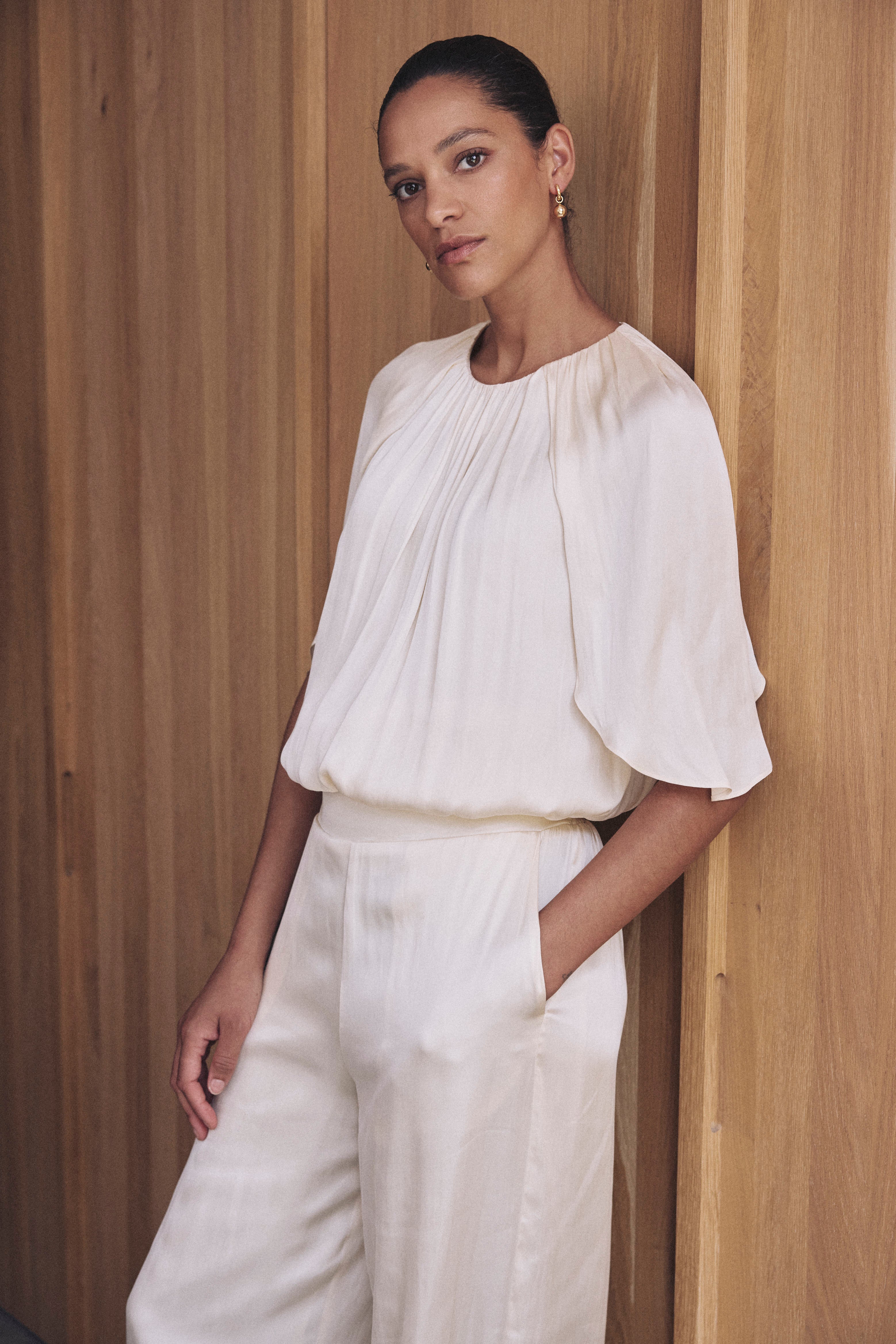
Accessories are essential for adding a focal point to an outfit. Learning how to belt a dress or trousers correctly can completely change the character of a look. A belt can do far more than define the waist. It can sharpen a silhouette, break up a block of colour, and create a more intentional connection between the different elements of an outfit.
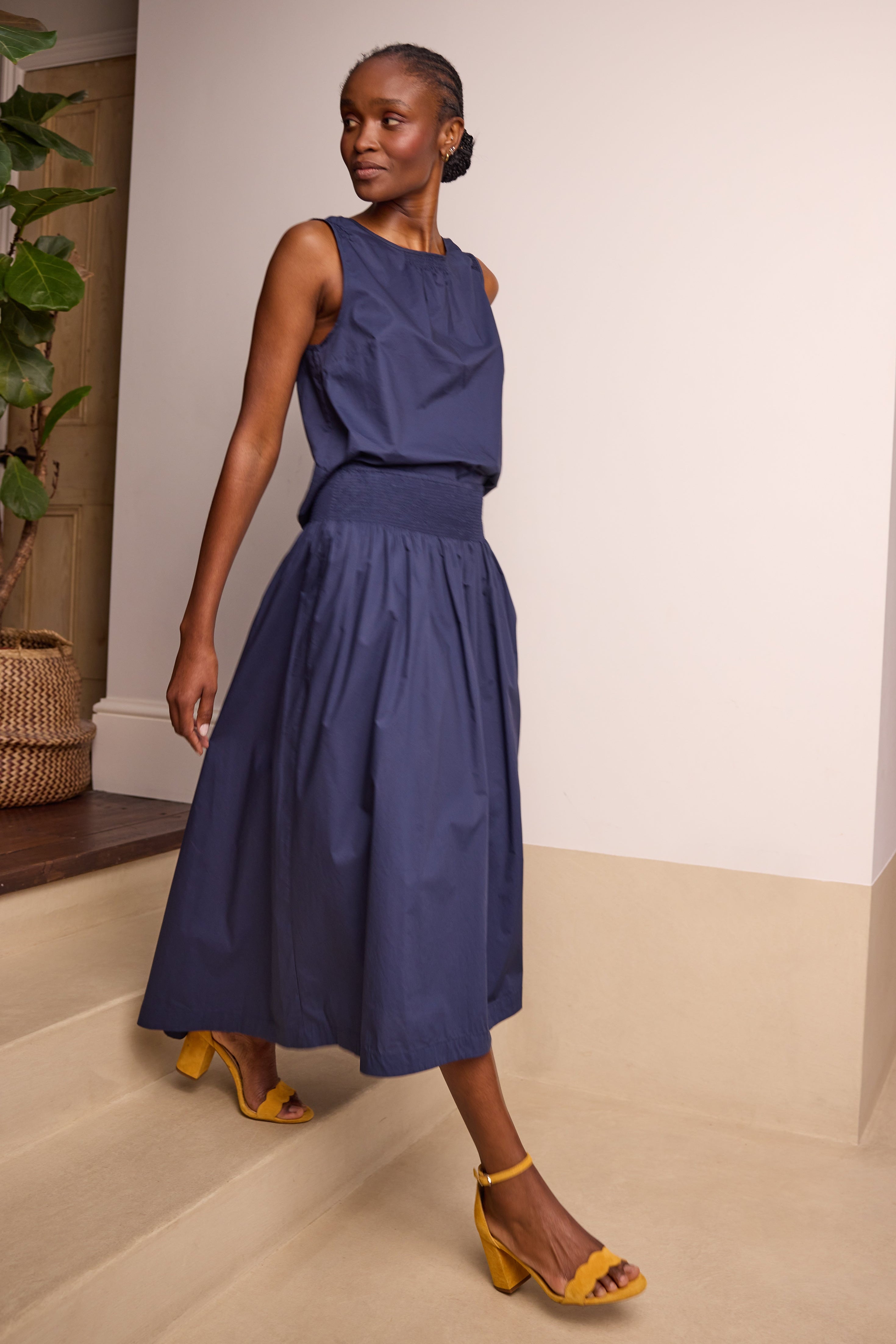
If you are wearing a monochromatic outfit, such as a navy vest and trousers, a belt breaks up the column of colour and adds visual interest. Consider the width carefully. A skinny belt often sits well with wide leg trousers as it contrasts with the volume. Conversely, a chunky belt can add a cool and modern edge to a feminine piece like those found in our dresses edit.
The third piece rule
If your outfit feels incomplete, it is likely missing a third piece. The first and second pieces are your top and bottom. The third piece is often what gives an outfit depth, balance and that finished feeling.
This could be a blazer, a cardigan, or even a statement coat. It introduces a new texture or colour that elevates the foundation layers.

The column of colour method
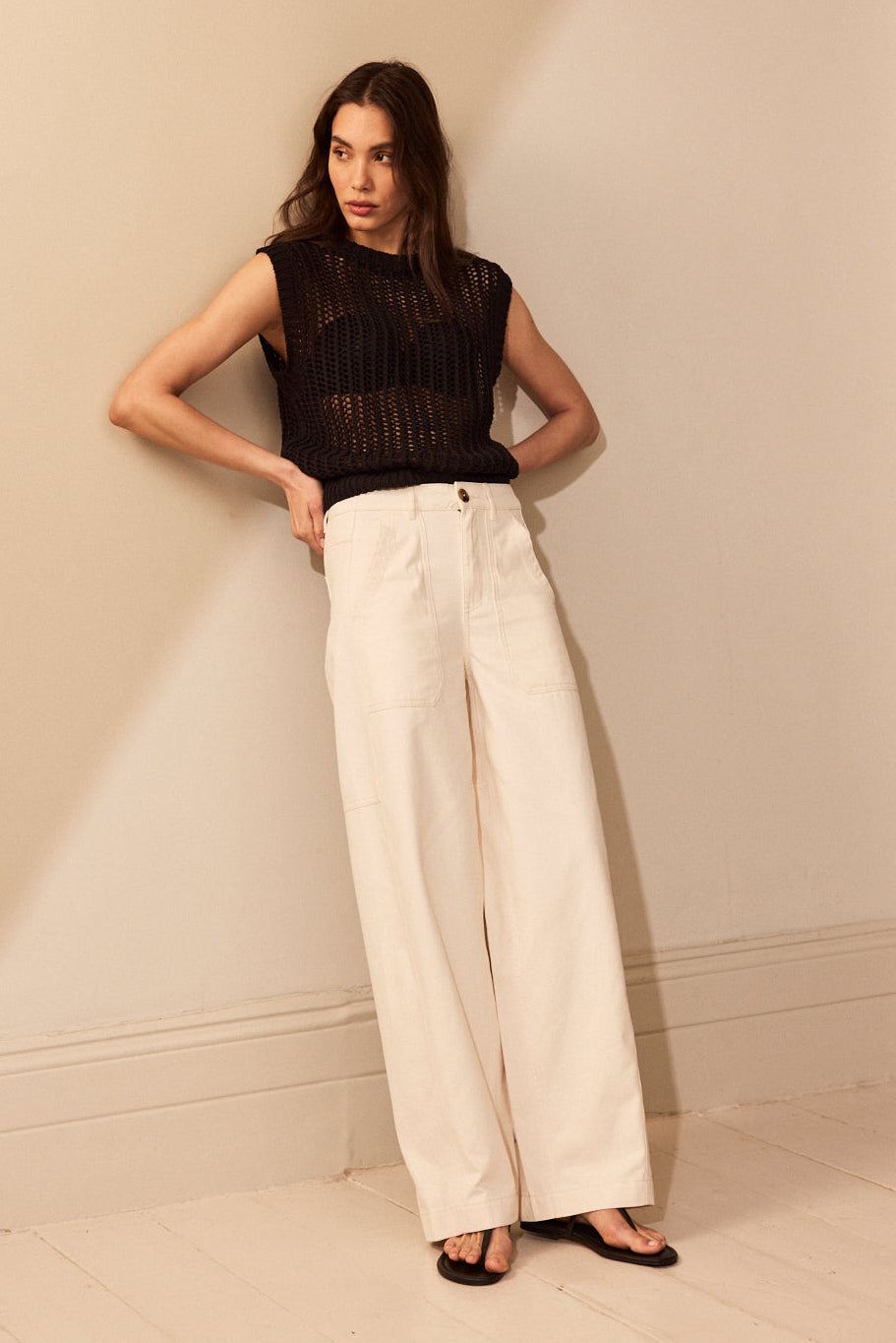
A fantastic way to apply this rule is to wear a base layer of one colour, such as a black tank and black trousers. This creates a long and unbroken vertical line that elongates the silhouette. You then add your third piece, such as an unbuttoned shirt or jacket in a contrasting colour, over the top. This provides coverage and interest without breaking the vertical line of the body.
Advanced colour and texture theories
Looking put together often comes down to how you balance the visual weight of your outfit. Two theories can help you achieve this without requiring a degree in art.
The sandwich method
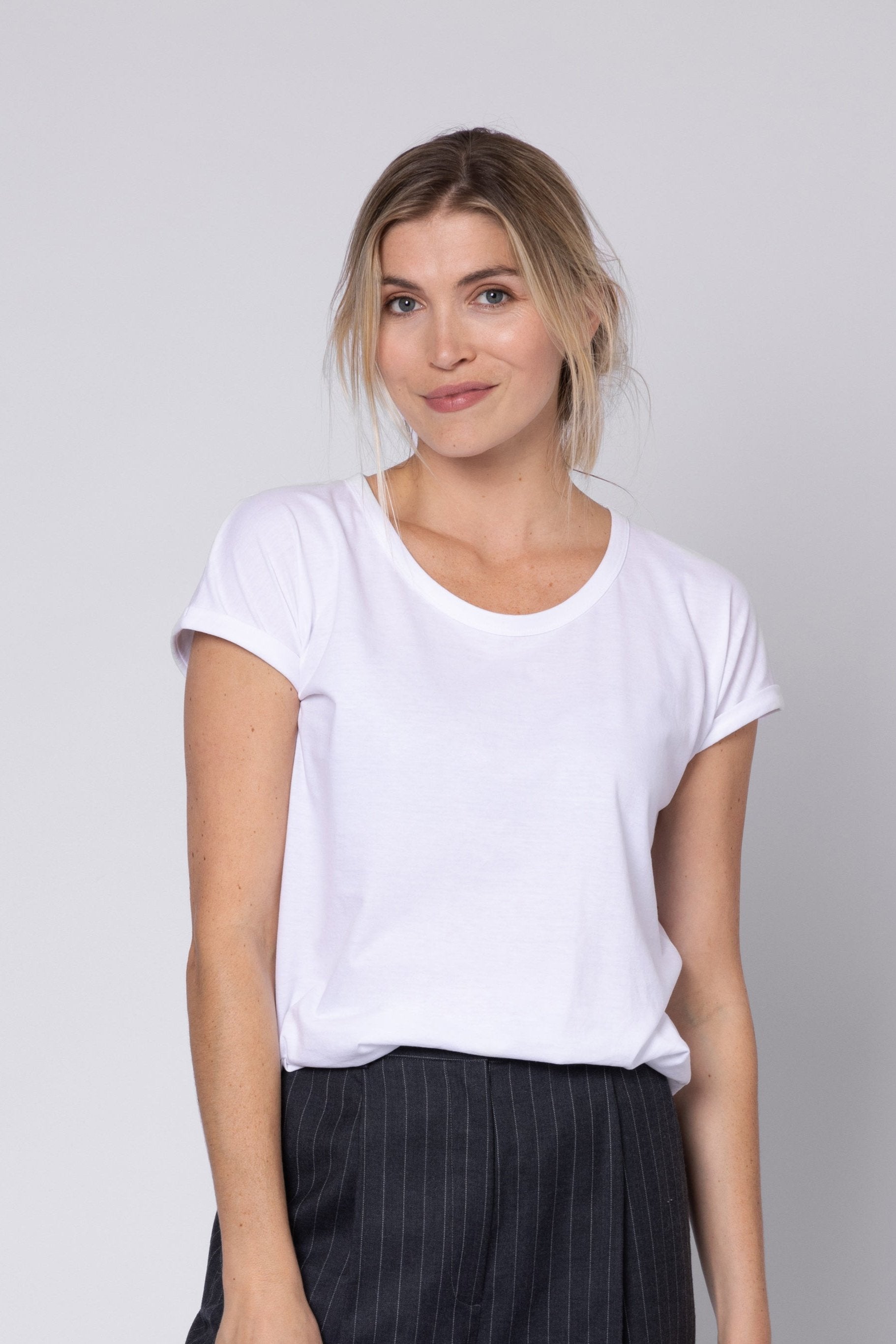
This concept suggests that you should match the colour of your shoes to your top or jacket, effectively sandwiching a different colour in the middle. For example, wearing a white T Shirt, blue jeans, and white trainers creates a balanced loop for the eye. It makes the outfit look intentionally planned.
Texture mixing
When wearing neutral colours, an outfit can look flat if the fabrics are all the same. To look expensive and considered, mix your textures. Pair a chunky wool knit with a silk skirt or leather trousers. The contrast between the matte wool and the sheen of the silk adds richness to the look.
The wrong shoe theory
To make an outfit feel modern and less like a uniform, stylist Allison Bornstein popularized the "Wrong Shoe Theory" in Vogue. The idea is to choose a shoe that adds a little contrast to the rest of the outfit rather than matching it too literally.
If you are wearing a pretty floral dress, swap the ballet pumps for a chunky trainer or a heavy boot. If you are wearing relaxed cargo trousers, pair them with a metallic heel or a delicate flat. This friction creates a sense of personal style that feels authentic rather than prescribed.
Finishing touches to look more put together
The final step in styling is neatening up. These are the invisible tweaks that remove distractions from your outfit.
- Steam your clothes: Nothing lowers the tone of an outfit faster than creases. A quick steam refreshes the fabric and makes even a basic cotton T Shirt look premium.
- Tuck your laces: Long bows on trainers can look messy. Tuck the laces down the sides of the shoe for a sleek finish.
- Pin your hems: If trousers are slightly too long for your chosen shoes, use a safety pin at the back of the hem to temporarily adjust the length.
- Button play: You do not need to fasten every button. Leave the last few buttons of a cardigan open to allow movement at the hips.
Experiment with your style
The most important rule of styling is that there are no strict rules. These tips are tools to help you feel more confident in your clothes. You might find that the French tuck becomes your signature, or that you love the column of colour method. Take the time to play with your wardrobe in front of the mirror. Try the belt. Roll the sleeves. Add the necklace. Often, it is the smallest styling decisions that make the biggest difference. A rolled sleeve, a half tuck, a stronger shoe, an added layer. They help transform everyday clothes into outfits that feel more like you.

Leave a comment
This site is protected by hCaptcha and the hCaptcha Privacy Policy and Terms of Service apply.